


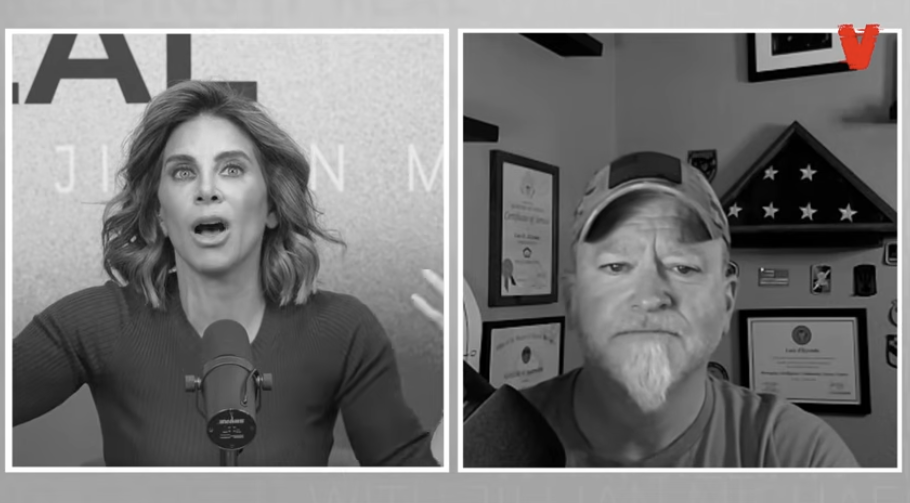
Luis Elizondo is one of those figures who seems to exist permanently at the center of a vortex—half whistleblower, half Rorschach test. To supporters, he’s the former Pentagon insider who courageously stepped forward after his time with AATIP, insisting the U.S. government knows far more about UAPs than it’s saying. To critics, he’s something else entirely: a skilled narrator of ambiguity, long on implication, short on verifiable detail.
The controversy follows him everywhere. Questions about what he actually ran, what he’s still cleared to say, and whether his public role is disclosure—or damage control—never quite settle. His involvement as an executive producer on the recent documentary Age of Disclosure only sharpened that divide. Is it transparency, or just prestige television for a mystery that never resolves?
That tension is exactly what Patrick Armstrong digs into on Vetted Podcast, where Elizondo isn’t treated as villain or savior, but as a symptom. Because the larger issue isn’t Lue. It’s the U.S. government’s long-running strategy of saying just enough to keep the conversation alive, while never quite letting it conclude.
Disclosure, after all, has become a genre. And like any good franchise, it survives by promising that the next reveal will finally change everything.
In that sense, it behaves less like journalism or science and more like a soft cult—ritualized anticipation, insider language, initiatory figures, and an ever-receding moment of revelation. Cults don’t collapse when the prophecy fails; they adapt. The date shifts. The meaning deepens. Doubt becomes a test of faith. In disclosure culture, waiting is the practice, and ambiguity is the sacrament.
But here’s the uncomfortable part critics often miss: cult dynamics don’t automatically mean the core phenomenon is false. They emerge when human cognition is pressed up against something destabilizing—something that refuses to resolve cleanly into belief or dismissal. UFO religions didn’t arise because nothing happened; they arose because something did, and no existing framework could metabolize it.
That’s where the UAP phenomenon still resists reduction. Strip away the personalities, the monetization, the endless “sources say,” and what remains is a persistent, global pattern that correlates oddly well with shifts in technology, perception, and consciousness itself. Whatever UAPs are, they seem less interested in spectacle than in interface—nudging human awareness at moments of civilizational stress.
So yes, disclosure has become a genre. But genres form around real anxieties, real signals. The danger isn’t that nothing is there. It’s that we’ve turned a genuine encounter with the unknown into a feedback loop of belief, branding, and deferred understanding—right at the moment when understanding may actually matter.
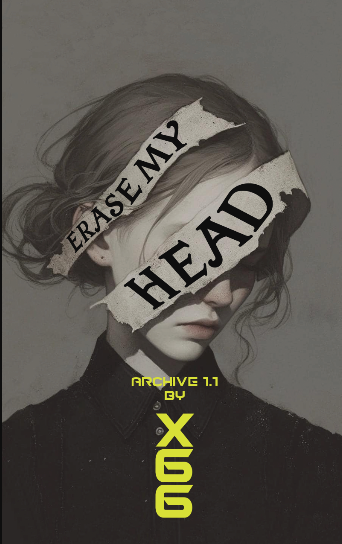
Most days...
Lily doesn’t think about where she lives.
On an asteroid.
In a city controlled by nano-scale machines.
Erase My Head – the first novel in the X66 Storyverse...
Coming Feb 10 to Amazon.
Click toLearn More
File Under: #UAP, #UFO, #uapdisclosure, #endgovernmentsecrecy, #truthembargo, #disclosure, #X66