


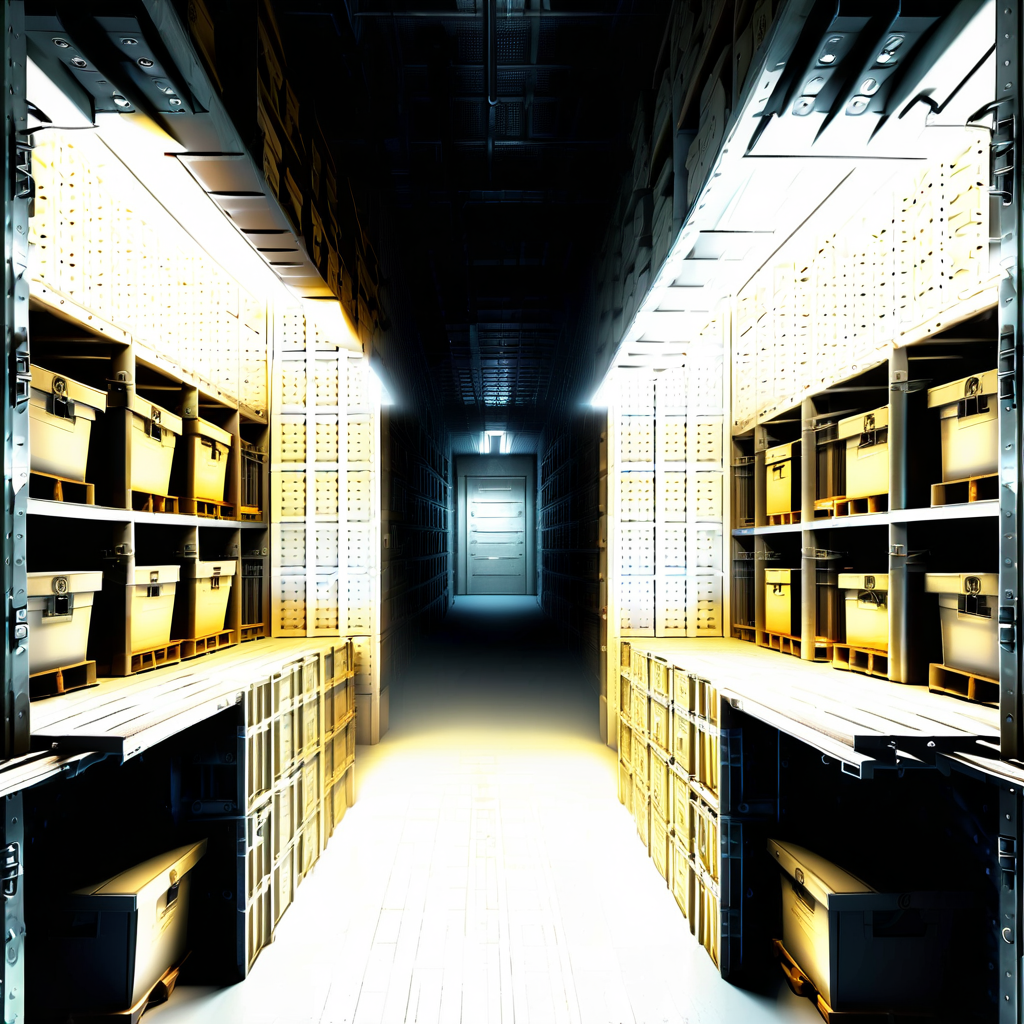
We like to think of memory as storage. A passive archive. Something that preserves what happened so we can refer back to it when needed.
That metaphor flatters us. It suggests stability, ownership, control.
In practice, memory behaves less like a record and more like a negotiation.
What we remember is shaped not only by what occurred, but by what we can afford to carry. Events that threaten coherence—personal or collective—are softened, displaced, or reframed until they fit the story we’re willing to live inside. This isn’t a failure of memory. It’s its primary function.
Every system that survives long enough learns how to forget.
On an individual level, this shows up as self-protection. Trauma is re-edited. Details blur. The sharpest edges are sanded down so the past doesn’t interfere with the present. We call this healing. Sometimes it is.
On a collective level, the same mechanism becomes policy.
Uncomfortable histories are condensed into slogans. Contradictions are reclassified as anomalies. Patterns that threaten legitimacy are dismissed as coincidence. The result is a usable past—coherent, simplified, and strategically incomplete.
The danger isn’t that memory is unreliable. The danger is that it’s selectively reliable.
What gets preserved tends to reinforce existing structures. What destabilizes them fades faster. Over time, this creates the illusion that the present state of things was inevitable, rather than engineered through a series of choices about what not to remember.
This is where memory stops being a safeguard and starts behaving like a weapon.
Not because it’s used aggressively, but because it’s aimed inward.
We internalize curated narratives and mistake them for personal experience. We defend versions of the past we didn’t live through because they’ve been integrated into our sense of self. Questioning them feels like self-harm.
So we resist.
We argue over interpretations while quietly avoiding the evidence that would require us to reassemble our identity from unfamiliar pieces. The work of remembering becomes dangerous—not because the truth is violent, but because it demands reconfiguration.
There’s a reason memory loss is often described as merciful.
Forgetting promises relief. It offers a way forward without renegotiating who we are. If a memory causes pain, why not remove it? If a history complicates the present, why not simplify it?
The logic is seductive. It’s also cumulative.
Each act of forgetting makes the next one easier. Each erased detail reduces the friction required to erase another. Eventually, the question stops being what happened and becomes what version is easiest to maintain.
At that point, memory no longer anchors identity. It manages it.
This doesn’t require technology. It doesn’t require external control. It happens naturally in any system that values stability over accuracy. The more invested we are in continuity, the more aggressively we curate the past.
And yet—there’s a cost.
Forgotten material doesn’t vanish. It migrates. It reappears as anxiety without origin, anger without target, repetition without cause. The system registers the loss even if the narrative doesn’t.
What we refuse to remember doesn’t disappear. It waits.
This is why certain memories feel heavier than others. They resist compression. They don’t fit neatly into the story we’re telling ourselves now. They surface at inconvenient moments, attached to sensations rather than images, demanding acknowledgment without explanation.
We tend to call this malfunction.
It might be something else.
It might be memory behaving as intended—refusing to stay buried long enough to be harmless.
If memory really were just a record, forgetting would be neutral. But it isn’t. It’s an intervention. And like any intervention, it reveals more about the system performing it than the material being removed.
The question isn’t whether forgetting is possible.
It’s what we become when forgetting starts to feel like the most responsible option.
Because once memory becomes adjustable, the temptation isn’t to erase pain.
It’s to erase resistance.
And at that point, the weapon is already in our hands.
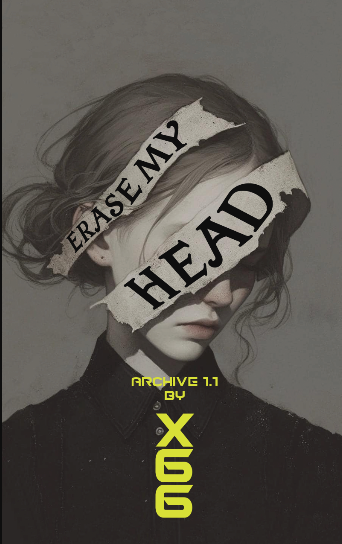
Most days...
Lily doesn’t think about where she lives.
On an asteroid.
In a city controlled by nano-scale machines.
Erase My Head – the first novel in the X66 Storyverse...
Coming Feb 10 to Amazon.
Click toLearn More
File Under: #memory, #consciousness, #X66