



There was no long negotiation, no careful unfolding. It happened in borrowed rooms and alleys that smelled of wet concrete. They spoke in fragments. They didn’t ask about childhoods. Adam said names were temporary. Lily agreed, though she didn’t know why.
by The Archivist, Feb 07, 2026
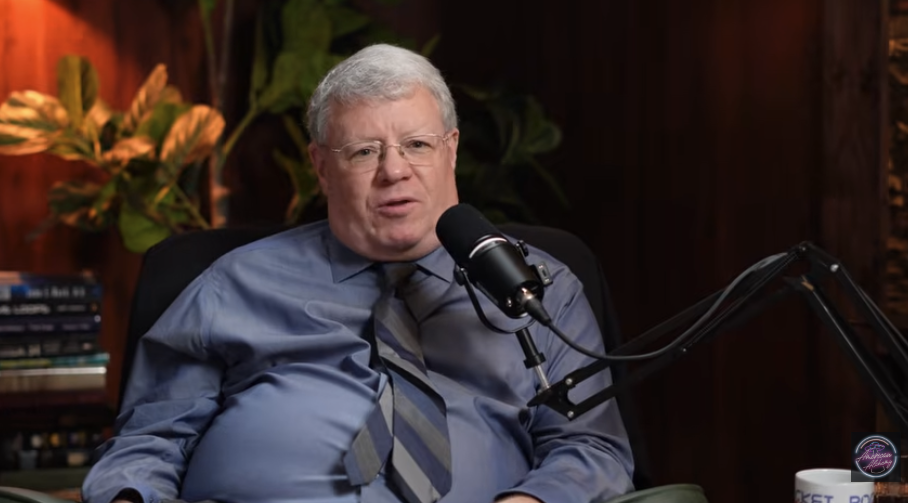
For decades, the phenomenon sat at the intersection of national security, aerospace secrecy, and cultural ridicule—a perfect storm for institutional silence.
by The Archivist, Feb 04, 2026
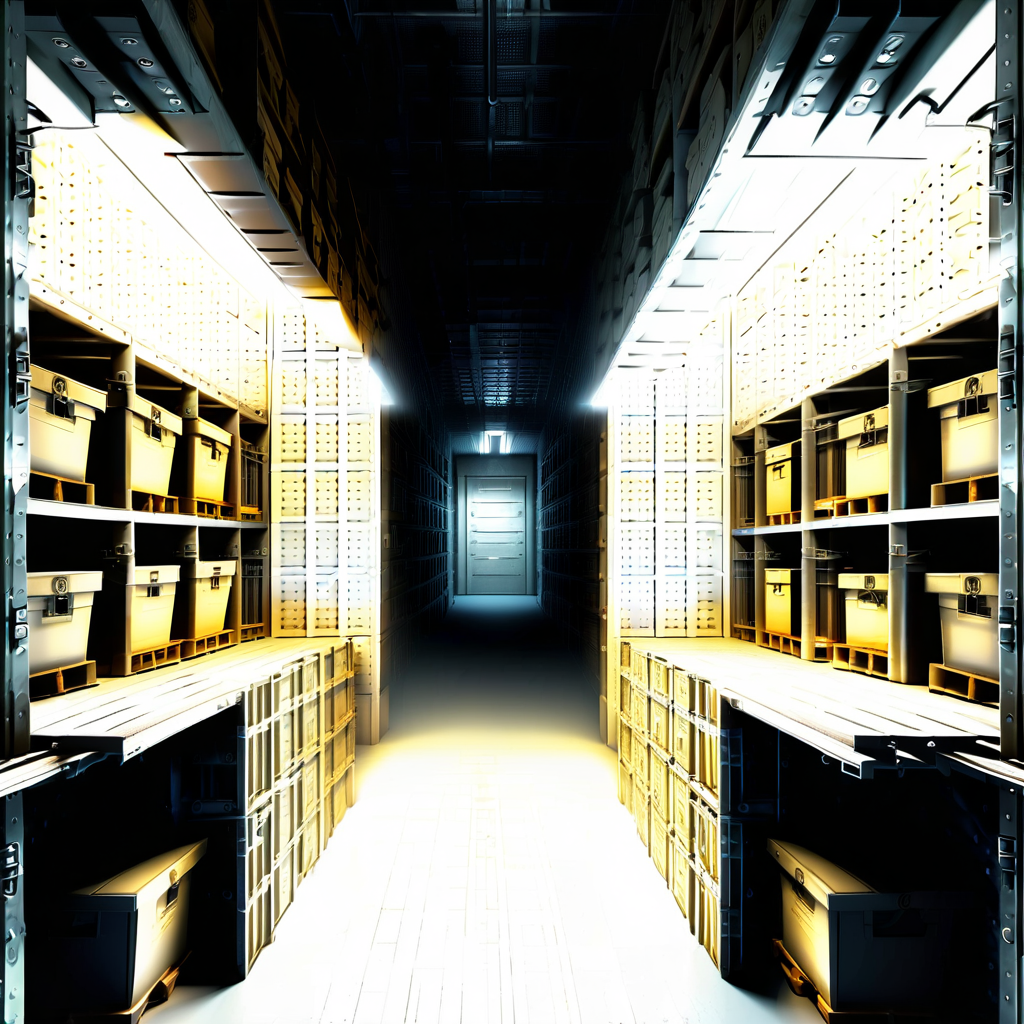
We like to think of memory as storage. A passive archive. Something that preserves what happened so we can refer back to it when needed. That metaphor flatters us. It suggests stability, ownership, control. In practice, memory behaves less like a record and more like a negotiation. What we remember
by The Archivist, Feb 02, 2026
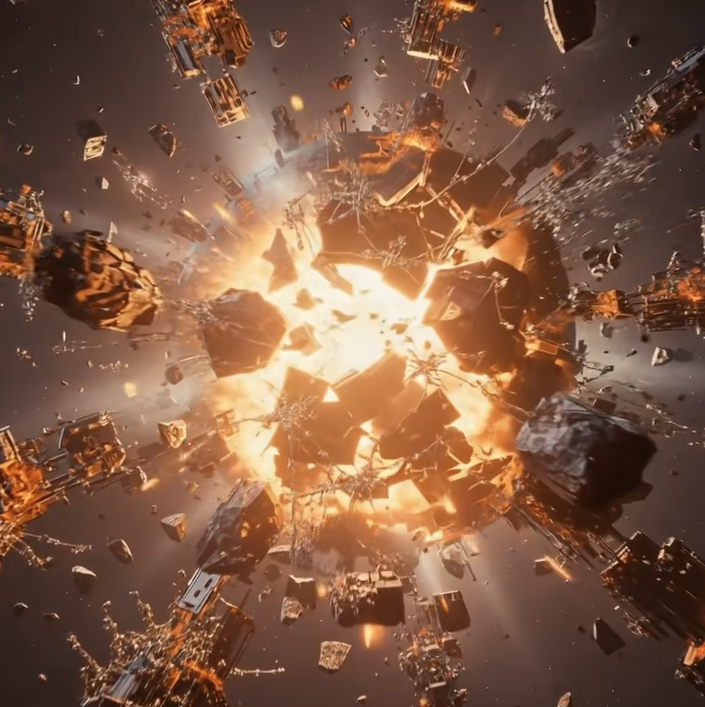
All simulations eventually converge. Or they pretend to. Self-replicating matter does not fail through malice. It fails through obedience.
by The Archivist, Jan 31, 2026
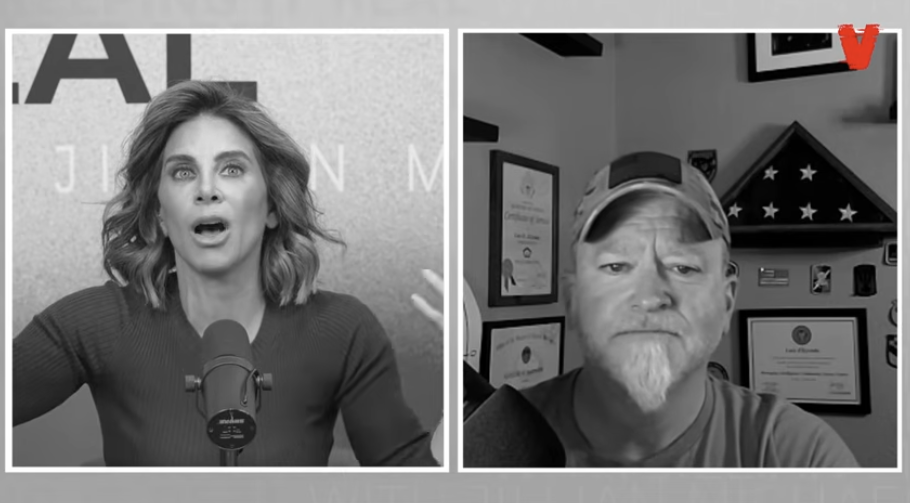
Strip away the personalities, the monetization, the endless “sources say,” and what remains is a persistent, global pattern that correlates oddly well with shifts in technology, perception, and consciousness itself.
by The Archivist, Jan 30, 2026
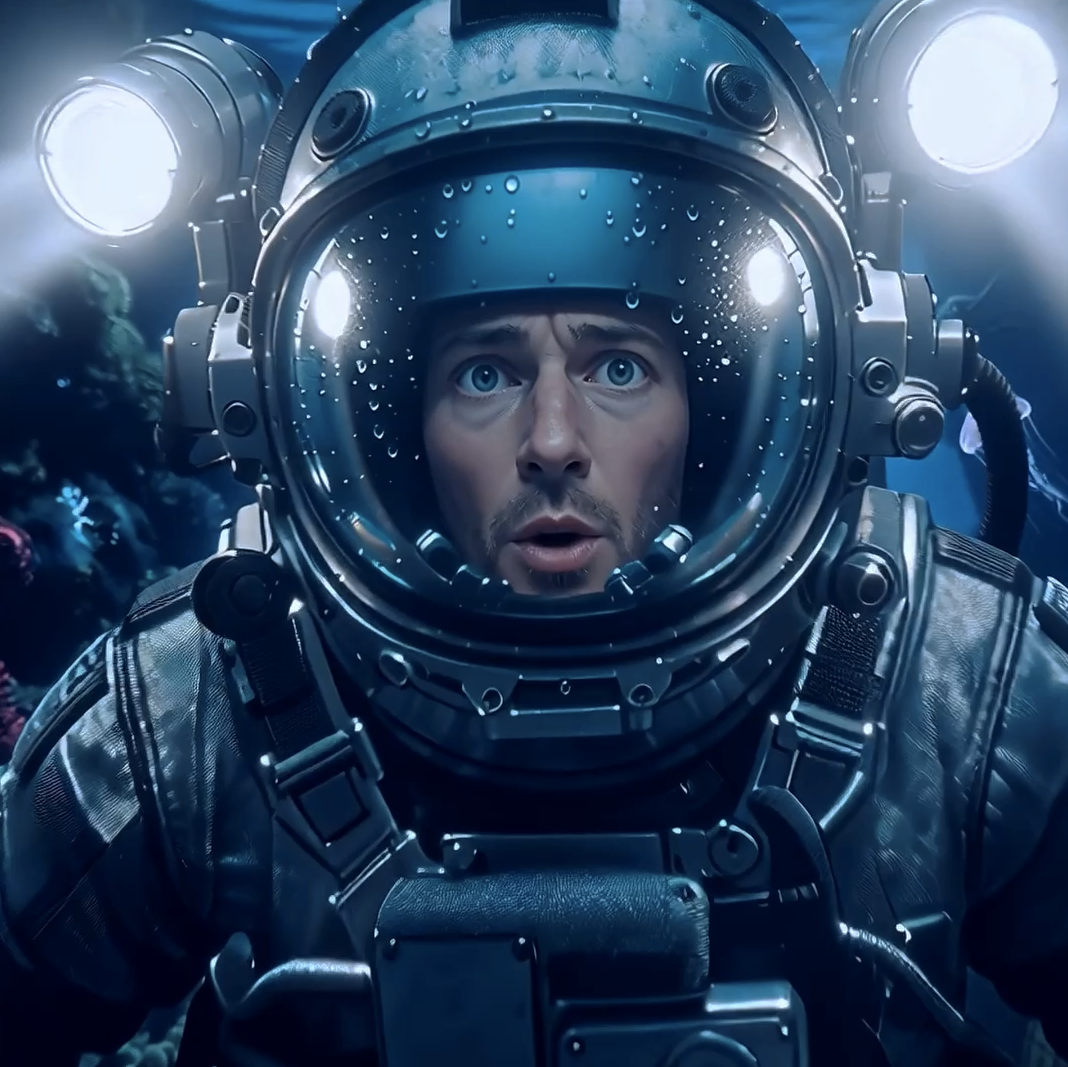
At the base, a coral polyps opened its eye—an aperture made of mirrored bone. It spoke through vibration, using the divers’ bones as instruments.
by The Archivist, Jan 29, 2026